Latest · Citizen Science
Many Eyes, One Landscape: Citizen Science in Indian Ecotourism through Asian Adventures and Earth Walks
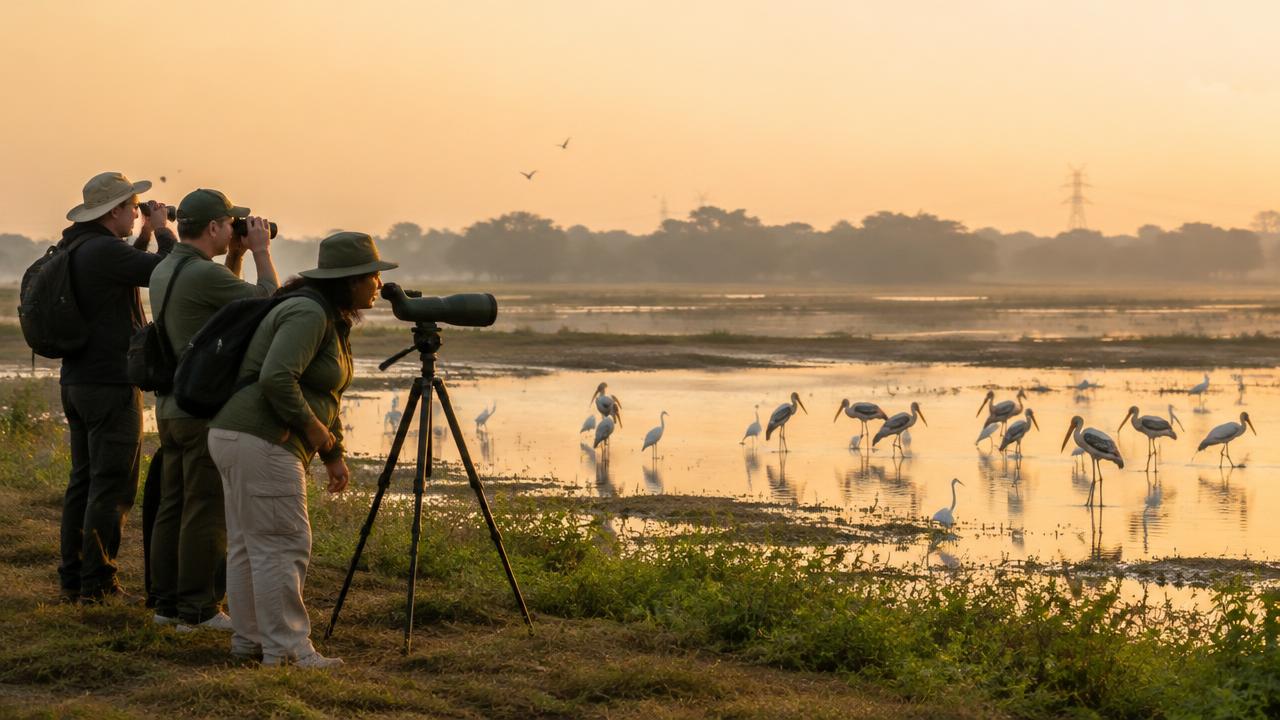
Citizen science has become a key source of biodiversity data in India. For example, birdwatchers contribute data online to the e Bird database. Ecotourism provides an ideal opportunity to do this as it brings knowledgeable tourists to natural habitats with expert guidance. This article looks at how Asian Adventures, a bird watching and wildlife tour company established in 1994 with the motto ‘Tourism for Conservation – Conservation for Tourism’, incorporates citizen science into their business through offering expert bird watching tours, the Jungle Lore Birding Lodge in Pangot and the Gir Birding Lodge. In addition, tour guides collect data on birds in wetlands, school bird watching is provided with spotting scopes, guides contribute to the Delhi Bird Atlas project and the Earth Walks provide guided walks for urban locals. The company was reviewed using the Global Sustainable Tourism Council criteria, ecotourism traits from UN Tourism, tourism guidelines from the Convention on Biological Diversity and the 10 principles of citizen science. The evidence shows there are a number of tangible activities that have been put in place. However, there is little evidence of outputs. Data collection protocols, numbers of participants and independent evaluation of impact are lacking.
Conservation Awareness
From Awareness to Action: Conservation Awareness in Indian Ecotourism through Asian Adventures and Earth Walks
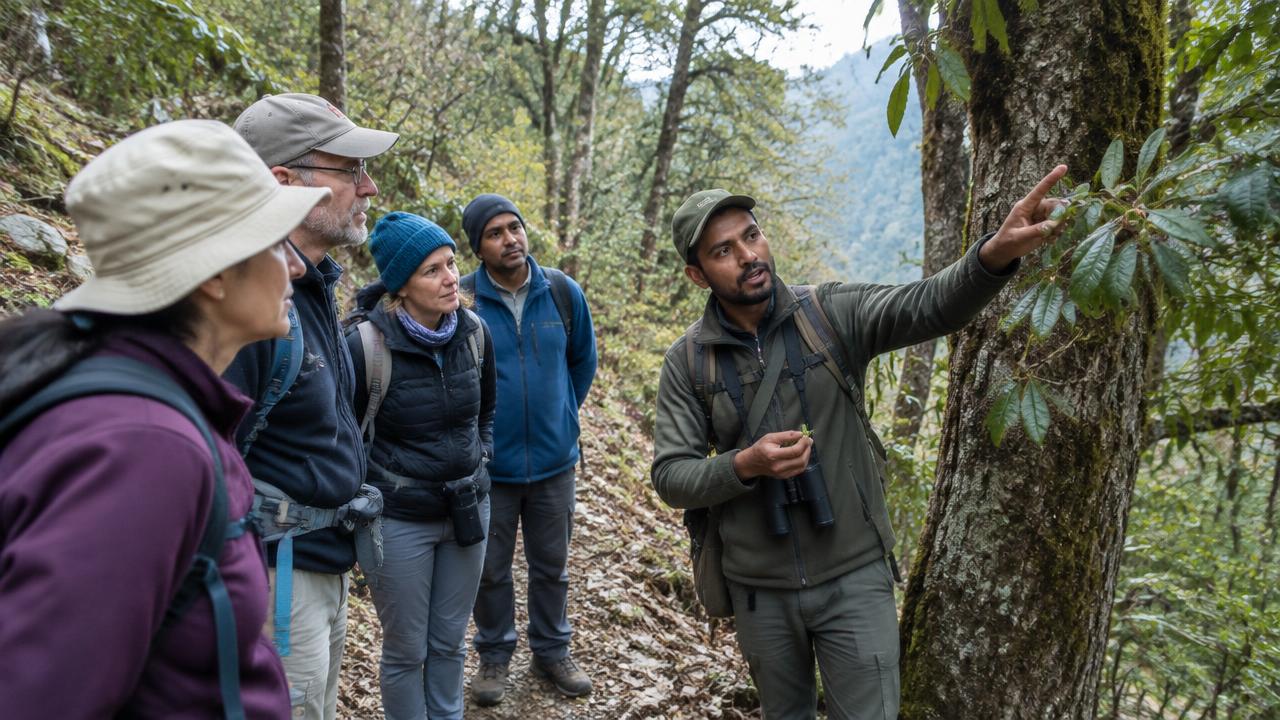
There is a requirement within global biodiversity policy that conservation awareness is promoted and there is mixed evidence regarding the effectiveness of raising awareness. This article looks at how Asian Adventures ; an ecotourism business offering bird watching and wildlife tours has raised awareness of conservation. They were set up in 1994 with the motto ‘Tourism for Conservation – Conservation for Tourism’. Specialist birding tours are offered, the Jungle Lore Birding Lodge which includes a waste management initiative in a local village (Pangot), the Gir Birding Lodge which runs the Pangolin Project. Interpreters include naturalists and short guided walks known as Earth Walks. These have been analyses by looking at the criteria from the Global Sustainable Tourism Council, ecotourism features from UN Tourism, tourism guidelines from the Convention on Biological Diversity and the communication, education and awareness programme. From public sources it was clear that there is a cohesive approach to creating awareness with specific people identified as delivering the awareness. However, little information was available on how effective the awareness was in terms of reach, attitudes and behaviour. Key focus will be on addressing this.
10 November 2026 · 21 min read
Nature Education
Nature Education in Practice: Asian Adventures and the Earth Walks Model of Experiential Learning in Indian Ecotourism
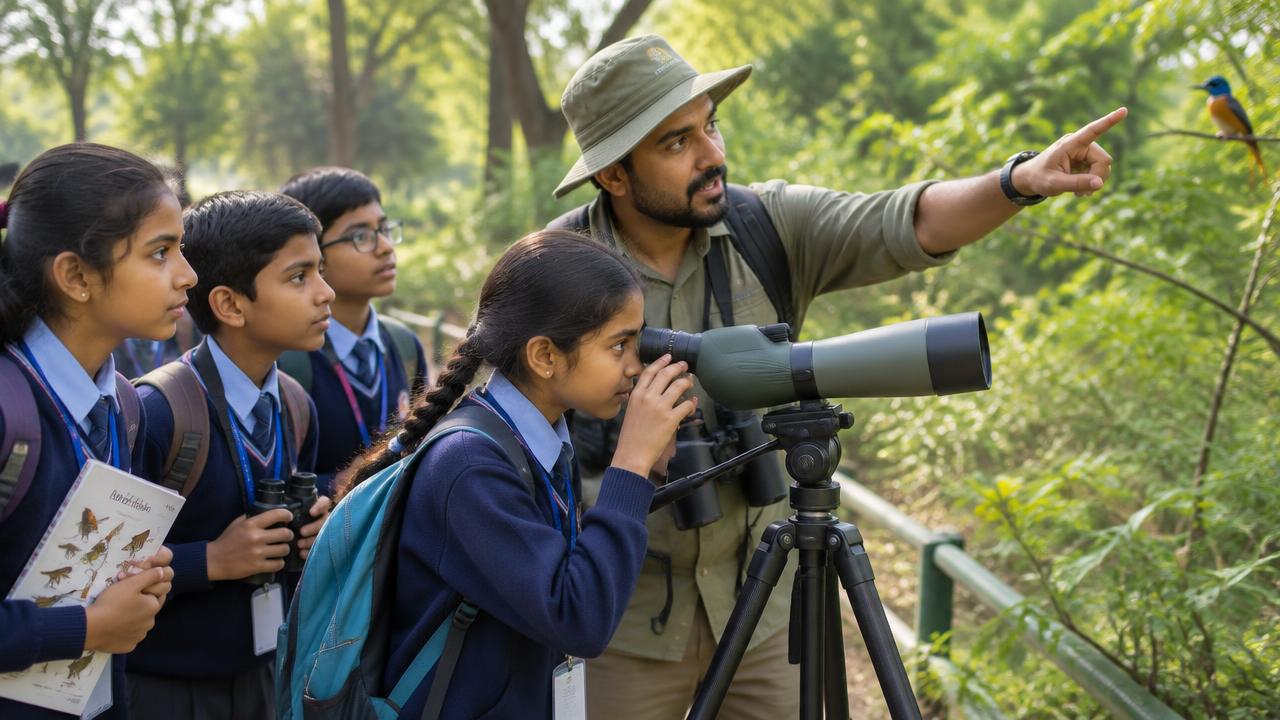
Nature education is now seen as an important part of increasing environmental awareness and sustainable practices. Countries such as India have a high level of biodiversity but lack any understanding of how this biodiversity works. Outdoor learning provides people with the necessary knowledge. This article discusses an organization called Asian Adventures that was set up in 1994. They provide bird watching tours, nature lodges and Earth Walks. These follow the guidelines of the Global Sustainable Tourism Council (GSTC) and the Education for Sustainable Development initiative by UNESCO. The nature guides are trained naturalists with knowledge of the local area and wildlife. The walks are targeted at people who do not have any previous experience with nature. The tours have been assessed but most of the data comes from self assessment. There is no measure of what they have learn so the educational value can only be found by doing a planned assessment of their knowledge.
6 November 2026 · 16 min read
Urban Biodiversity
Urban Biodiversity as Everyday Conservation: Earth Walks and the Applied Conservation Practice of Asian Adventures
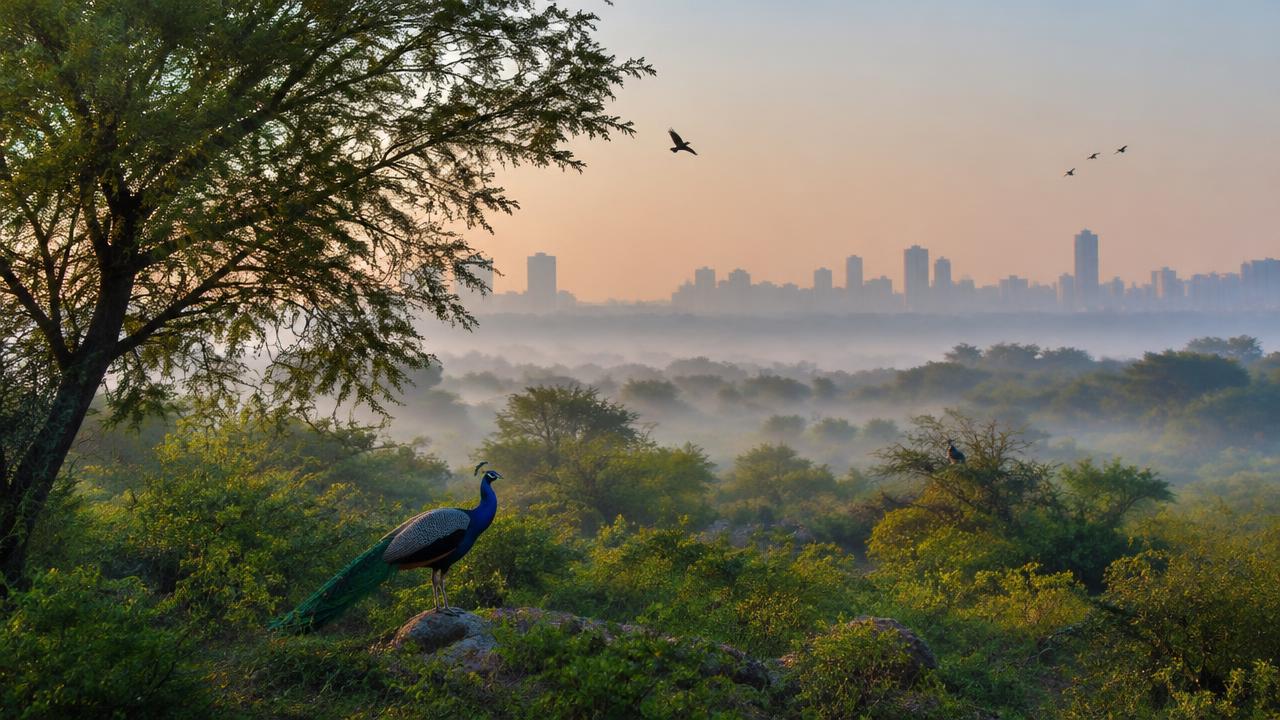
Urban biodiversity refers to the variety of plants, animals, fungi and habitats that exist within and around cities. In India, where rapid urbanization has led to the expansion of urban areas into what were once rural regions, these areas are under threat from urban development but are also the primary locations where most Indians encounter wild nature. This article explores how the company Asian Adventures, which was established in 1994, supports conservation efforts through its various tourism programs. The company's philosophy is "Tourism for Conservation - Conservation for Tourism." The article examines the company's various tourism programs, including its birding tours, its nature lodges located at Pangot (Uttarakhand) and Sasan Gir (Gujarat) and its Earth Walks program, which allows tourists to explore the green spaces of urban areas. Each of these programs is examined in relation to the principles of the Convention on Biological Diversity (CBD), the Global Sustainable Tourism Council (GSTC) and the United Nations Tourism principles. Also, the article discusses various topics related to the sustainability of tourism programs, such as carrying ability, habitat disturbance, resource management and the measurement of conservation outcomes.
27 October 2026 · 12 min read